
Nicotine, most often consumed through cigarettes, e-cigarettes, or other tobacco products, is highly addictive. At PCI Centers, we recognize nicotine dependence as both a medical and behavioral condition. While some individuals believe nicotine is only a “habit,” it causes real changes in brain chemistry, reinforcing repeated use despite health consequences.

Nicotine dependence is one of the leading preventable causes of death worldwide, contributing to cancers, cardiovascular disease, respiratory illnesses, and reduced quality of life (Centers for Disease Control and Prevention, 2024). Many who want to quit find it difficult due to intense cravings, withdrawal symptoms, and behavioral triggers.
Common indicators include:
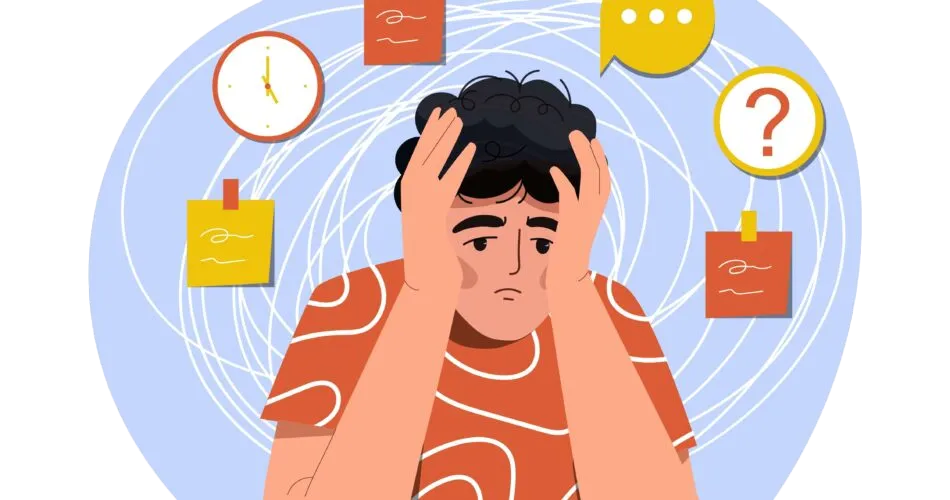

At PCI Centers, we combine medical and psychological strategies to support lasting recovery from nicotine dependence:
Identifying behavioral patterns, triggers, and readiness to change.
CBT and MI to help break habitual associations with nicotine and manage cravings.
Coordination with medical providers for nicotine replacement therapy (patches, gum) or medications (e.g., bupropion, varenicline) that reduce withdrawal and support quitting.
Developing strategies to cope with stress, social triggers, and high-risk situations.
Outpatient and telehealth programs that meet clients where they are.
1. American Psychiatric Association. (2013). Diagnostic and statistical manual of mental disorders (5th ed.). Arlington, VA: American Psychiatric Publishing.
2. Centers for Disease Control and Prevention. (2024). Smoking & Tobacco Use.
Call us for the full list and to verify your coverage.



Subscribe to our Newsletter, we won’t spam, Promise!
Read our Privacy Policy before signing up.

PCI has developed treatments that genuinely help you during your most difficult times. PCI Centers understands that every patient is unique and requires different modalities to live a healthier life.
© 2026 PCI Westlake Centers. All Rights Reserved.
